




At the 6th annual Economist Impact Sustainability Week Asia, IHH Healthcare’s Group Chief Sustainability Officer Yasemin Tecmen Stubbe underscored the growing urgency for organisations to embed climate resilience into day-to-day operations, rather than treating it as a future concern.
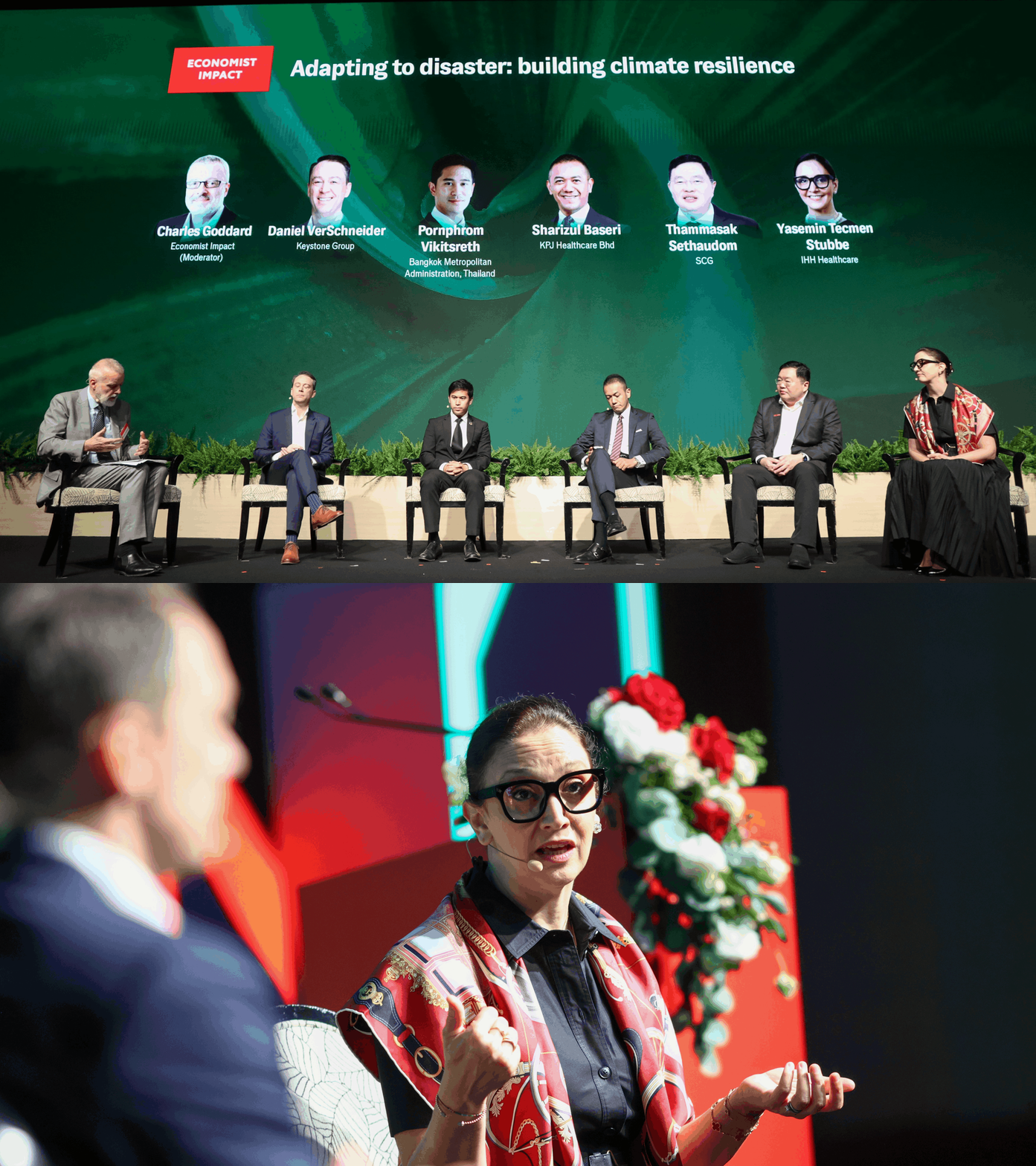
Speaking on the panel “Adapting to disaster: building climate resilience”, Yasemin emphasised that adaptation is no longer optional. “It is an immediate operational imperative,” she noted, pointing to a persistent gap between risk awareness and action.
She highlighted that sustainability risks are often documented but not actively addressed until a crisis occurs. Drawing a parallel to healthcare, Yasemin likened this approach to recognising early warning signs of illness but delaying treatment until intervention becomes critical. “Our responsibility is to act on what the data is already telling us,” she said.
The discussion comes amid rising climate volatility and geopolitical uncertainty, which are increasingly reshaping operating environments across industries. In healthcare, these pressures present a unique challenge: ensuring uninterrupted patient care even as systems face multiple, overlapping disruptions.
Yasemin shared a real-world example from IHH Healthcare’s operations in Chennai, where severe flooding required the safe evacuation of 106 patients. The response, she explained, was made possible not only by infrastructure readiness but by comprehensive planning and coordinated execution across teams.
To strengthen resilience across its global network, IHH Healthcare has been conducting climate scenario analyses to identify facilities most exposed to extreme risks. These insights are used to reinforce business continuity planning, ensuring that critical healthcare services can be maintained even under adverse conditions.
The company’s approach reflects a broader shift in how healthcare providers are responding to climate challenges—moving from reactive measures to proactive, data-driven strategies aimed at safeguarding both operations and patient outcomes.
Related Stories
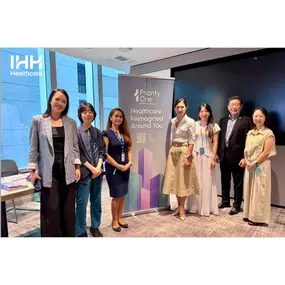
IHH Singapore Advances the Conversation on Healthspan and Longevity
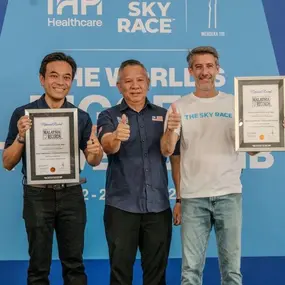
The IHH Sky Race Reaches New Heights at Merdeka 118
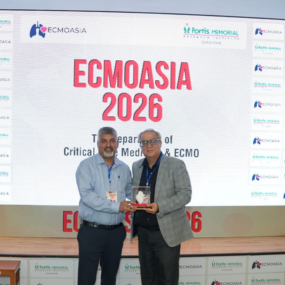
Fortis Memorial Research Institute Champions ECMO Excellence at ECMOASIA 2026
On 24-25 July 2026, Fortis Memorial Research Institute (FMRI), Gurugram hosted ECMOASIA 2026, a landmark conference that brought together leading national and international experts to advance awareness, education and clinical excellence in Extracorporeal Membrane Oxygenation (ECMO) care across the Asia-Pacific region.
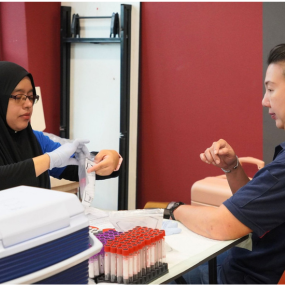
Pantai Hospital Kuala Lumpur Brings Preventive Care to the Workplace
On 12 August, Pantai Hospital Kuala Lumpur (PHKL) partnered with Unitrade Industries Berhad and AIA Malaysia to deliver an On-Site Influenza Vaccination and Health Screening Programme at Unitrade's premises, bringing accessible preventive care directly to the workplace.
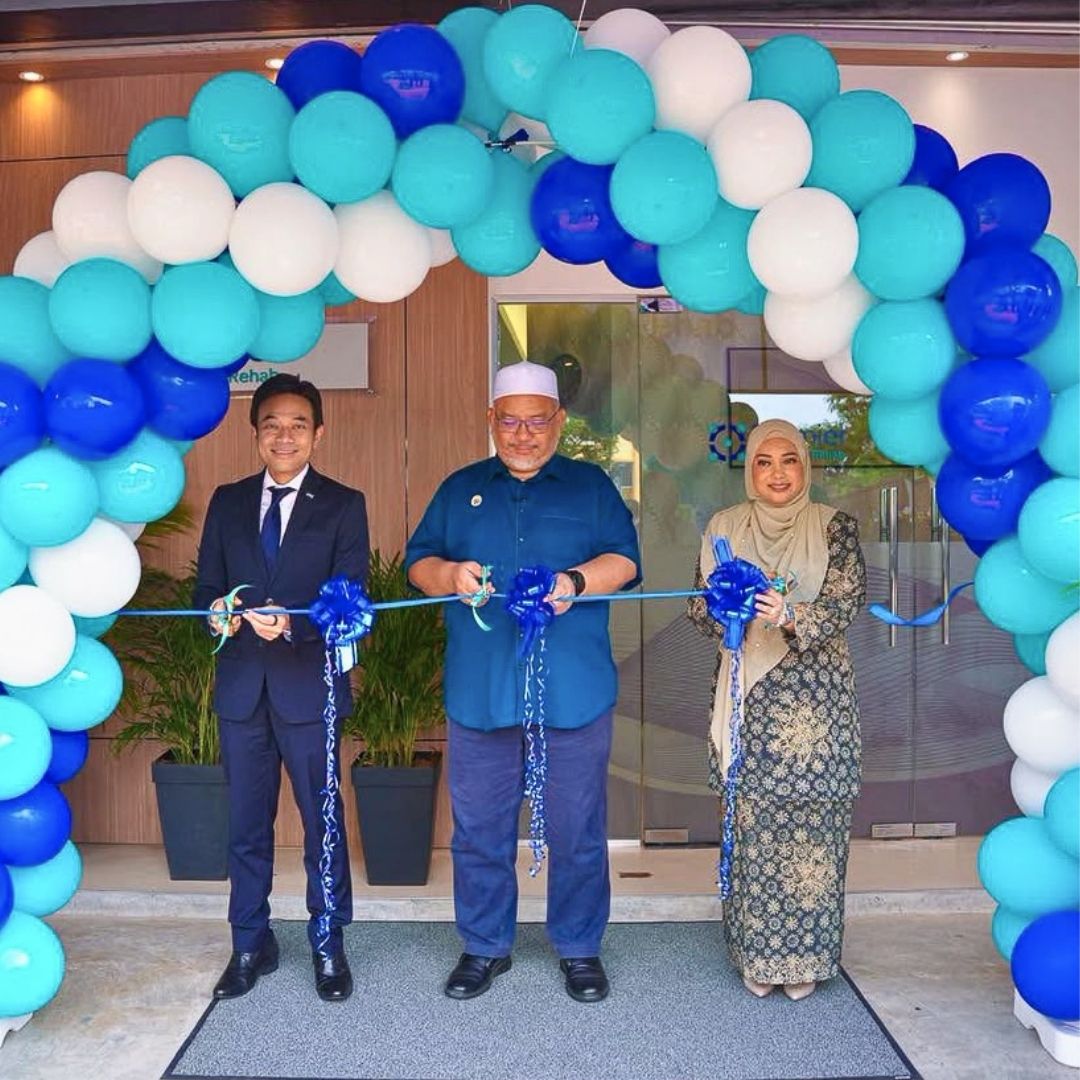
Premier Integrated Rehab Launches New Centre in Kuala Terengganu
Premier Integrated Rehab has opened a new centre in Kuala Terengganu, bringing rehabilitation services closer to communities across Malaysia’s East Coast.
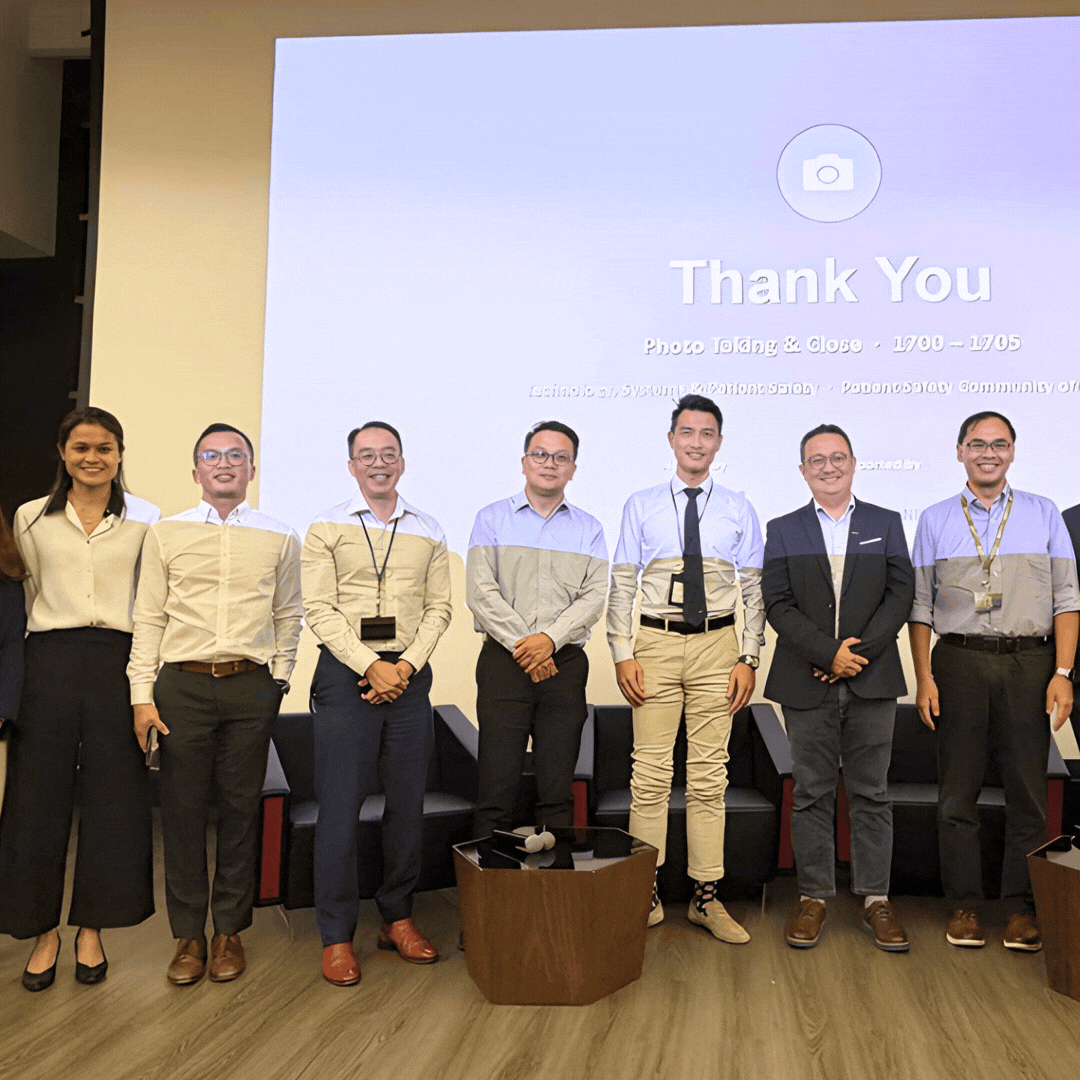
IHH Singapore Becomes First Private Healthcare Provider to Host the Patient Safety Community of Practice
With the support of the Ministry of Health, IHH Singapore brought together public and private healthcare professionals to explore how technology can advance safer, more reliable care.