




When a cardiac emergency strikes, survival often depends on what happens in the first few minutes. Before an ambulance arrives. Before hospital doors open. In those moments, a trained bystander can mean the difference between life and loss.
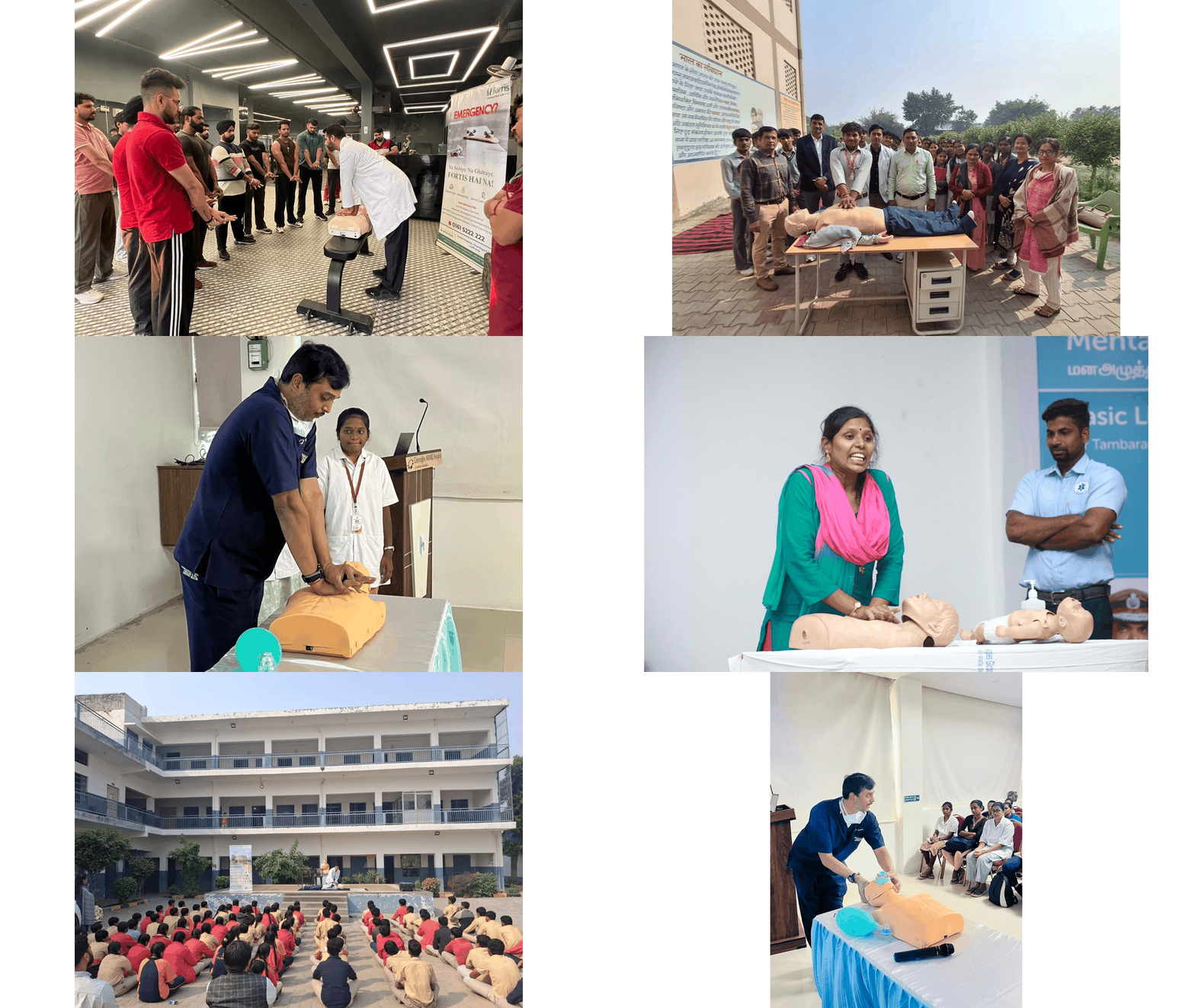
This belief sits at the heart of Fortis Hospitals’ commitment to community health. Last month, that commitment translated into action through a large-scale, multi-city CPR training initiative conducted across India, equipping more than 4,000 individuals with essential life-saving skills.
Held under the flagship Fortis Hai Na basic life support awareness campaign, the initiative concluded on 15 November 2025, spanning cities including Mohali, Jalandhar, Jaipur, Mumbai (Mulund), Delhi NCR, Bengaluru, Chennai, Hyderabad, Ludhiana, Amritsar, and more. The scale of the programme reflected a clear intent: to take emergency preparedness beyond hospitals and into everyday spaces where lives are lived.
The workshops brought together a diverse cross-section of society. Police personnel, school and college students, corporate teams, security staff, and community groups participated actively in hands-on sessions led by Fortis’ expert emergency care teams. These sessions went beyond theory, focusing on real-world readiness. Participants learned correct CPR techniques, early intervention steps, and how to respond confidently during sudden cardiac arrest scenarios through live demonstrations and simulations.
What stood out was not just the number of people trained, but the sense of ownership and urgency shared across communities. Each workshop reinforced a simple truth: timely CPR can dramatically increase survival rates, and anyone can be empowered to act when given the right knowledge and confidence.
Through Fortis Hai Na, Fortis Hospitals continues to champion the idea that saving lives does not stop at hospital doors. It extends into schools, workplaces, neighbourhoods, and public spaces. By building CPR-aware and emergency-ready communities, Fortis is strengthening the first link in the chain of survival and helping create a safer, more resilient India.
Healthcare leadership is not only about advanced clinical care. It is also about prevention, preparedness, and empowering people to step forward when every second counts. And sometimes, the most powerful lifesaver is not a machine or a facility, but a person who knows what to do.
Related Stories

IHH Singapore Advances the Conversation on Healthspan and Longevity

The IHH Sky Race Reaches New Heights at Merdeka 118
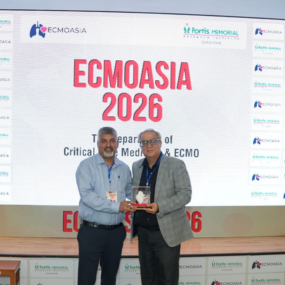
Fortis Memorial Research Institute Champions ECMO Excellence at ECMOASIA 2026
On 24-25 July 2026, Fortis Memorial Research Institute (FMRI), Gurugram hosted ECMOASIA 2026, a landmark conference that brought together leading national and international experts to advance awareness, education and clinical excellence in Extracorporeal Membrane Oxygenation (ECMO) care across the Asia-Pacific region.
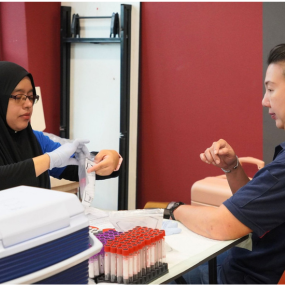
Pantai Hospital Kuala Lumpur Brings Preventive Care to the Workplace
On 12 August, Pantai Hospital Kuala Lumpur (PHKL) partnered with Unitrade Industries Berhad and AIA Malaysia to deliver an On-Site Influenza Vaccination and Health Screening Programme at Unitrade's premises, bringing accessible preventive care directly to the workplace.
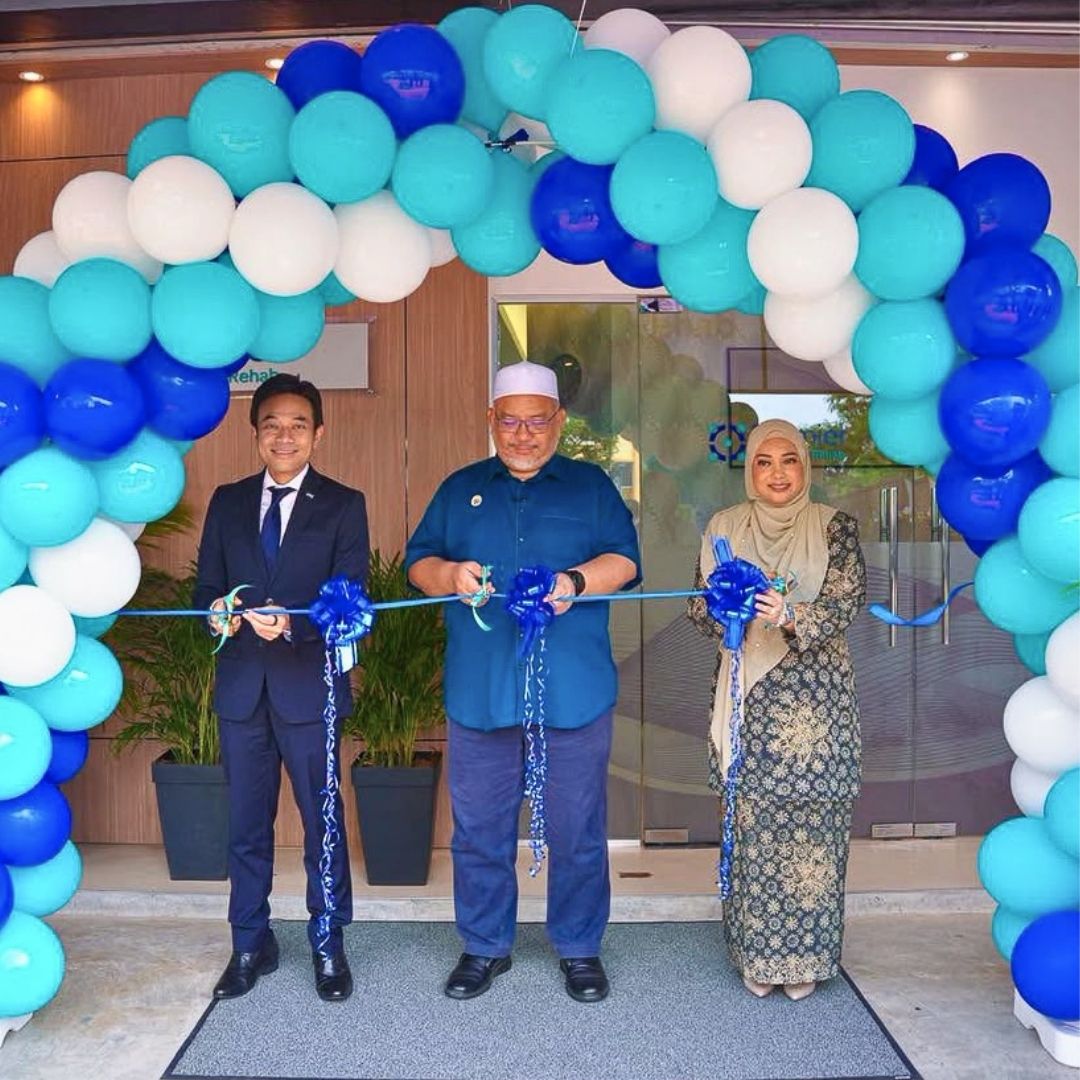
Premier Integrated Rehab Launches New Centre in Kuala Terengganu
Premier Integrated Rehab has opened a new centre in Kuala Terengganu, bringing rehabilitation services closer to communities across Malaysia’s East Coast.
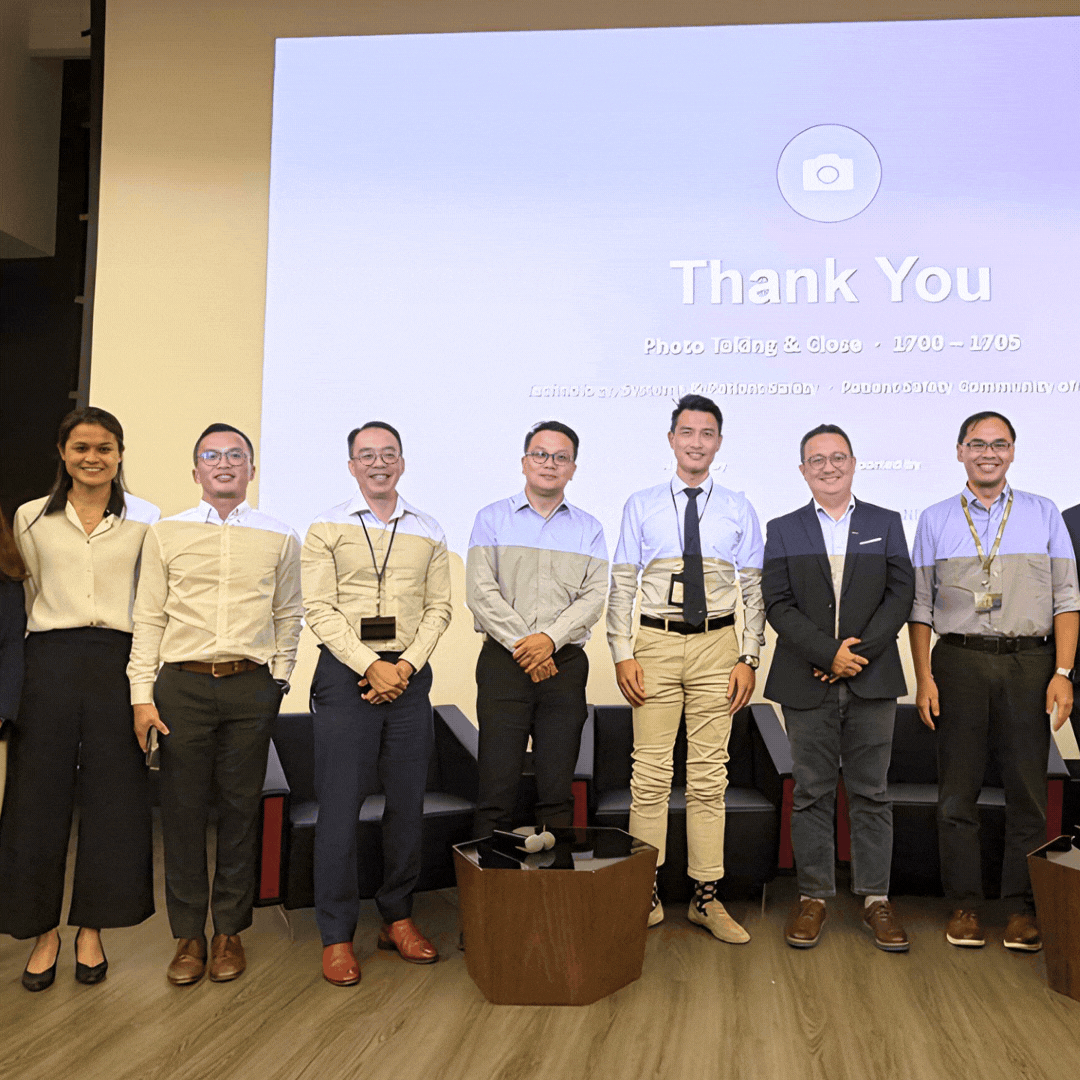
IHH Singapore Becomes First Private Healthcare Provider to Host the Patient Safety Community of Practice
With the support of the Ministry of Health, IHH Singapore brought together public and private healthcare professionals to explore how technology can advance safer, more reliable care.